Your Ticket To The World

P: 610-966-5966 P2: 1-800-327-7207 F: (610) 966-5970
P: 610-966-5966 P2: 1-800-327-7207 F: (610) 966-5970

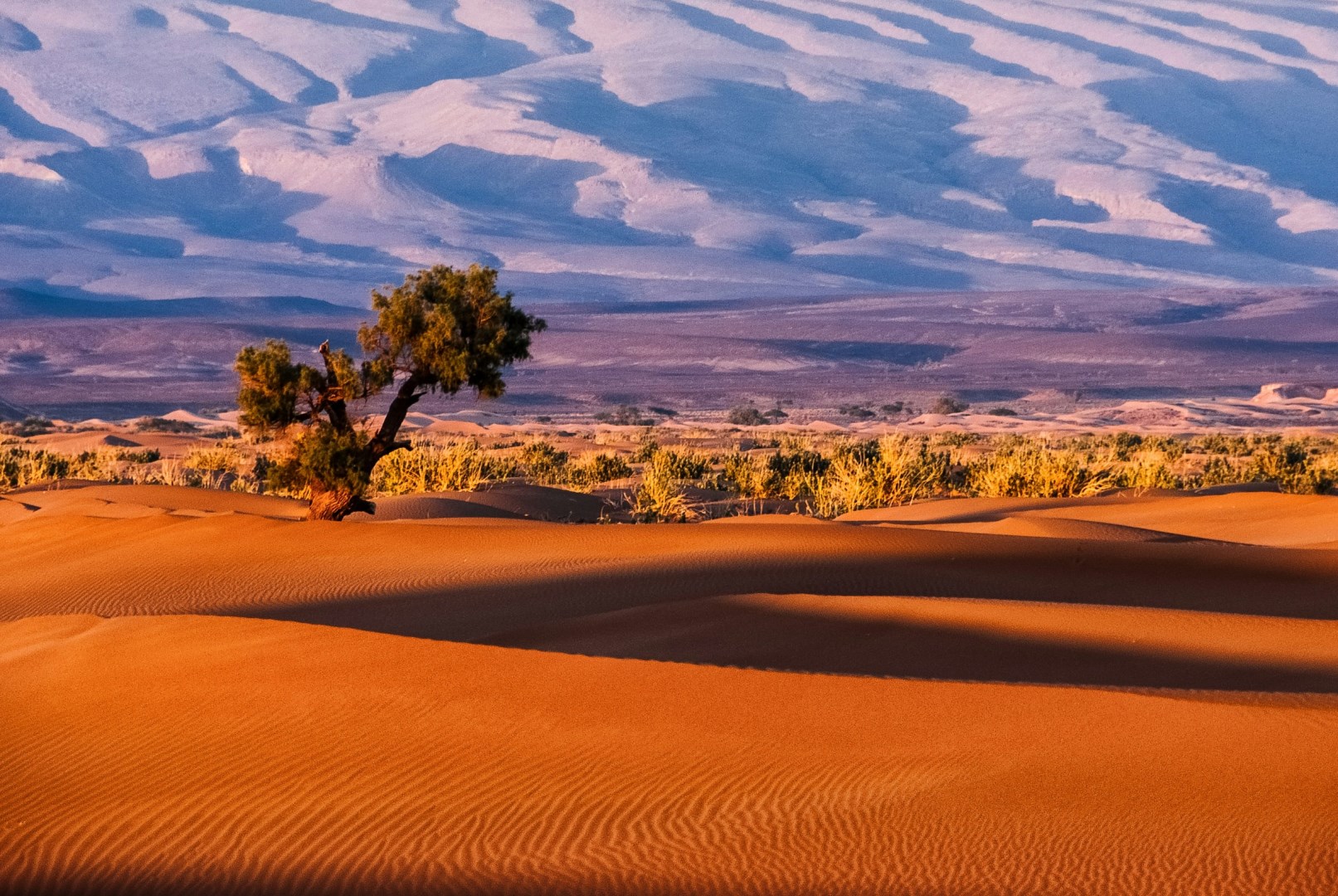
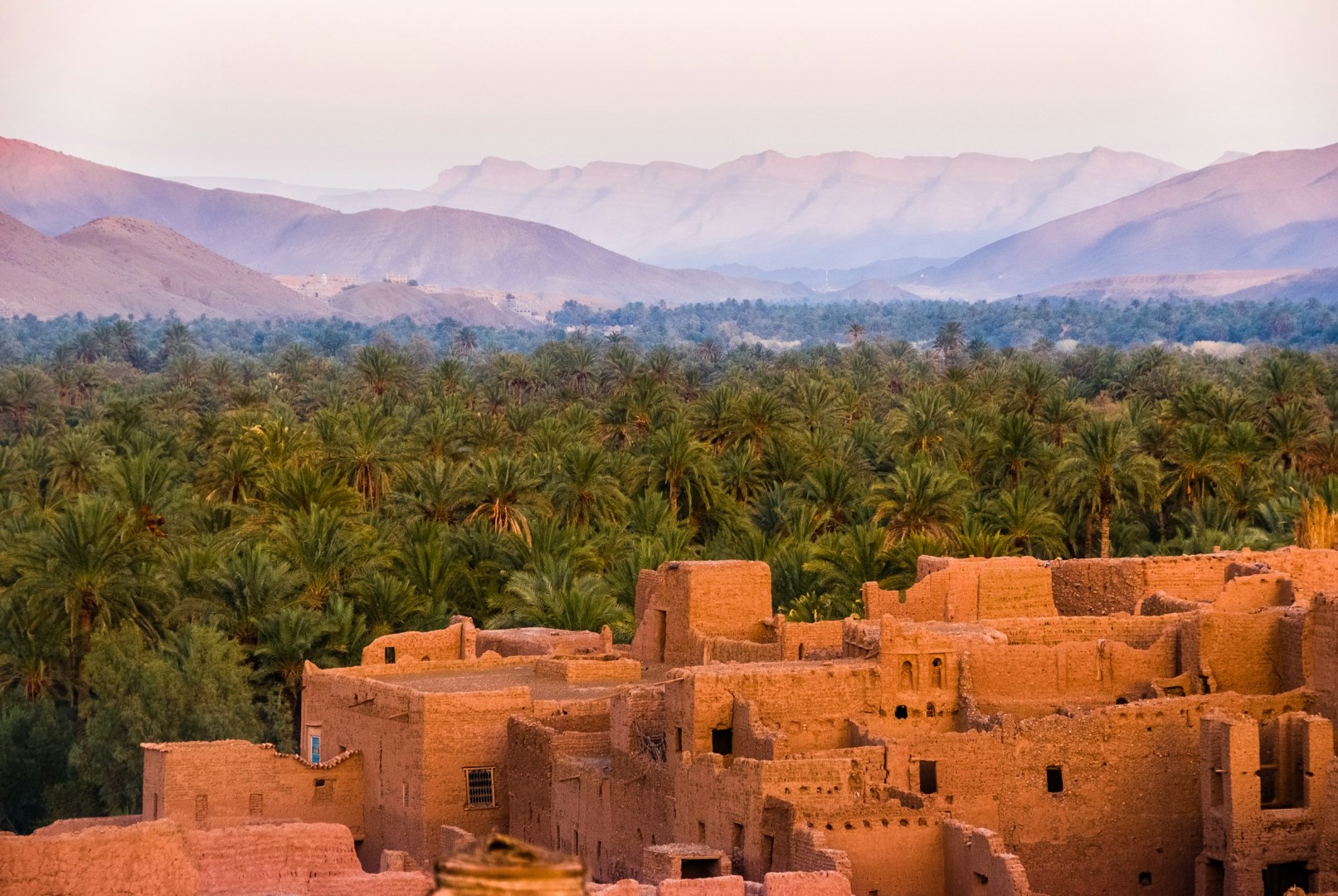
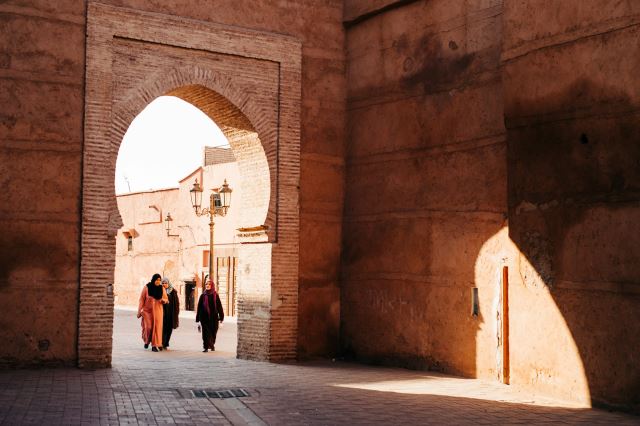
Tamnougalt is a fortified village in Morocco’s Drâa Valley, near the town of Agdz, where a large palm oasis stretches along the Drâa River. The settlement is centered on a historic ksar built from rammed earth, with towers, defensive walls, and narrow covered passages. Its position within the Mezguita oasis made it an important local center for trade and administration. Today, Tamnougalt remains closely connected to the surrounding palm groves, where date palms and cultivated plots create a green contrast with the dry mountains and rocky terrain of southern Morocco.
Tamnougalt was associated with the Mezguita Amazigh community and served as a seat of local caïds, giving the settlement an important political role in the Drâa Valley. Its fortified layout reflects the need to protect people, homes, crops, and goods within the oasis. The ksar contains several features that illustrate its multicultural past, including an old Jewish mellah, a synagogue, mosques, a Quranic school, and the residences of local leaders. Traditional buildings use thick earthen walls, wooden elements, and geometric decoration, while covered lanes provide shade and connect the homes and communal spaces.
The Ksar of Tamnougalt is the main attraction, with four gates leading into a maze of narrow lanes and partially covered passages. The former caïds’ residence is especially notable for its painted wooden ceilings, carved plaster, and courtyard layout. From the higher parts of the settlement, views extend across the Mezguita palm grove and toward the surrounding Drâa Valley. Walking through the oasis reveals traditional irrigation channels, date palms, pomegranate trees, and cultivated gardens. Nearby Agdz and Jbel Kissane provide additional points of interest, while the wider valley contains numerous earthen kasbahs and fortified villages.
Local food reflects the agricultural resources of the oasis, with dates, pomegranates, henna, and other crops grown among the palms. Moroccan dishes such as couscous and tagine are commonly prepared in homes and guesthouses throughout the area, often accompanied by mint tea. Tamnougalt is also associated with the Moussem Ellama, a cultural and religious gathering that brings communities from the surrounding region together. A particularly distinctive feature is the settlement’s covered passageways, designed to provide shade during hot weather. The combination of earthen architecture, oasis agriculture, and surviving communal structures makes Tamnougalt an important example of southern Moroccan settlement design.